March 19, 2026
What Happens After a DUI Arrest in Florida
Getting arrested for driving under the influence is a heavy experience that can leave anyone feeling overwhelmed and uncertain about the future. If you find yourself in this situation, you are likely wondering what happens after a DUI arrest in Florida and what immediate steps you need to take to protect your rights.
The legal system in the Sunshine State moves quickly, and missing a single deadline can have long-lasting effects on your life. Understanding the timeline of an arrest in Florida is the first step toward regaining control.
1) The Booking Process and Initial Custody
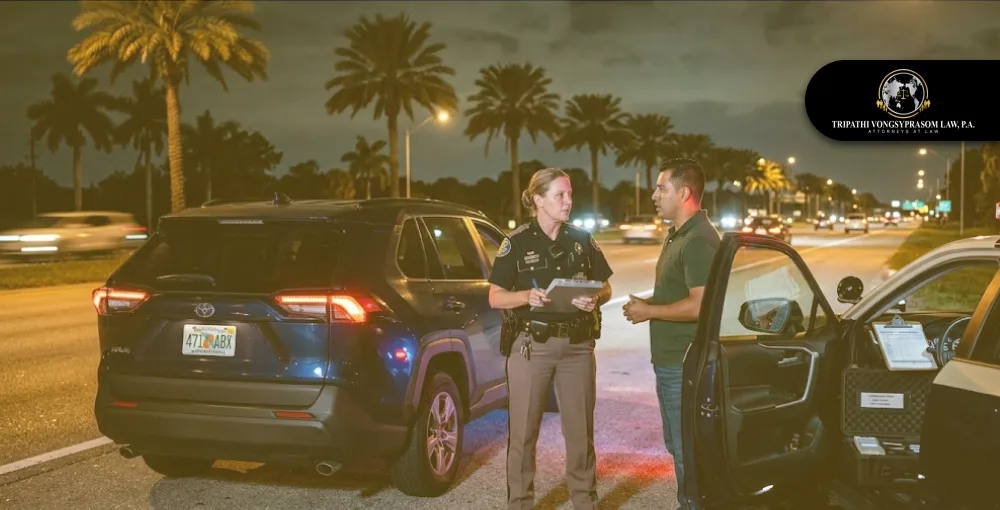
The journey through the legal system begins the moment law enforcement pulls you over. If an officer suspects you are driving under the influence, they will typically conduct field sobriety exercises. Following these tests, if the officer believes there is probable cause, they will place you under a DUI arrest. You will be transported to a testing center or a local jail, where you will be asked to submit to a breath test to measure your blood alcohol level.
I. The 8-Hour Hold Rule
Once the booking process is complete, you will likely be held in jail for at least eight hours. Florida law requires this cooling-off period to ensure that individuals are no longer under the influence before they are released. This is a mandatory safety measure used across all counties. During this time, your personal belongings are inventoried, and your basic information is entered into the state database.
II. Released on Your Own Recognizance
After this time, many people are released on their own recognizance. This means you are allowed to leave without paying a cash bond, provided you promise to appear at all future court dates. However, depending on the specific circumstances of the DUI arrest or your prior record, a judge might set a monetary bond that must be paid before you can go home.
According to the Florida Department of Law Enforcement, there were over 32,000 arrests for driving under the influence in a recent year, and a significant portion of those individuals were released under these terms.
2) The Critical 10-Day Window for Your License
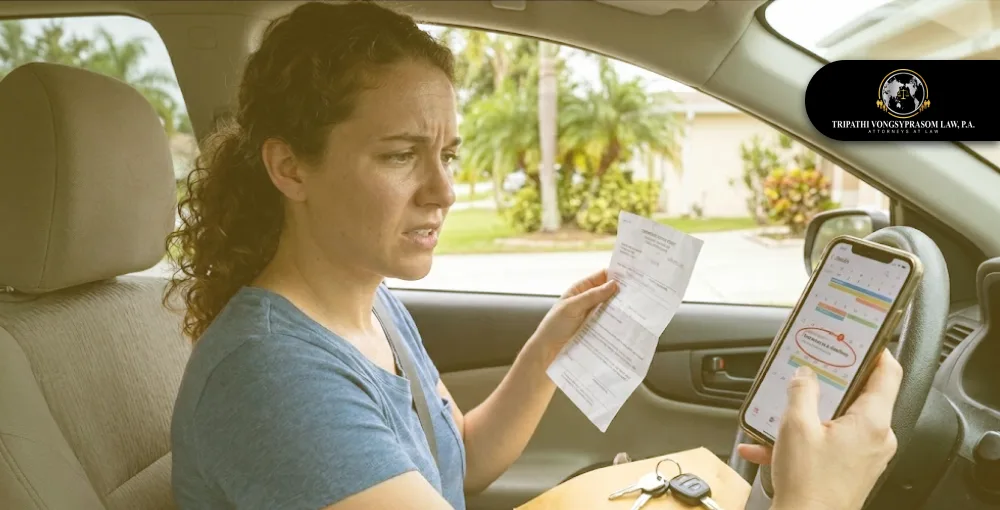
One of the most misunderstood parts of a DUI charge is the fact that you are actually facing two separate cases at the same time. One case is handled in criminal court, while the other is handled by the Florida Department of Highway Safety and Motor Vehicles. The administrative side of your case begins almost immediately and requires your immediate attention.
I. The Temporary Driving Permit
When you are arrested, the officer will likely seize your physical driver license. In its place, the paper citation you receive serves as a temporary driving permit. This permit is usually valid for only ten days from the date of the arrest. This document is essential because it is the only way you can legally operate a vehicle while you figure out your next steps.
II. Challenge the Suspension
During these ten days, you must make a critical decision regarding your driving privileges. You have the right to challenge the suspension of your license by requesting a formal review hearing. If you fail to take action within this ten day period, your license suspension will automatically go into effect on the eleventh day. This is a form of license revocation that can last for months or even years depending on whether you have a repeat dui or if you refused the breath test. Working with a dui attorney during this window is vital because they can help you file the necessary paperwork.
3) Getting Around the Department of Highway Safety
The Florida Department of Highway Safety and Motor Vehicles, often referred to as the FLHSMV or the department of highway safety, oversees all driver licensing issues. This agency operates independently from the criminal courts. Even if your criminal charges are later dropped, the administrative license suspension may still stand unless it is successfully challenged.
I. Obtaining a Hardship License
For many first-time offenders, the goal is to obtain a hardship license. This special permit allows you to drive for business purposes, such as going to work, school, or the grocery store. To qualify for this, you generally have to waive your right to a formal review hearing and enroll in a DUI school. The highway safety and motor vehicles department has very strict rules about who qualifies for these permits.
II. Administrative Consequences
The Florida Department of Highway Safety reported that in 2022, there were 44,443 DUI citations issued statewide. These numbers show that the department of highway safety is very active in enforcing license revocation rules. If you do not follow the administrative path correctly, you could find yourself unable to commute for a year or more.
Source: FLHSMV Annual Reports
4) Dealing with the Criminal DUI Charge

While you are managing your license issues with the Department of Highway Safety, the criminal case will be moving forward in the county court system. A DUI charge is a serious criminal offense under Florida law. It is not just a simple traffic ticket that you can pay and forget. You can learn more about how different violations impact you by reading about how traffic tickets affect your driving record.
I. The Arraignment Process
The first major court event is the arraignment. This is where the judge officially informs you of the charges against you and you enter a plea. Most people, especially those working with a DUI attorney, enter a plea of not guilty at this stage. This gives your legal team time to review the evidence, such as police reports and video footage from law enforcement vehicles.
II. Discovery and Evidence Review
During the discovery phase, your lawyer will look for weaknesses in the case. This includes checking the calibration of the breath test machine and the legality of the initial traffic stop. If you were involved in an incident with property damage, the situation becomes even more complex. For general guidance on handling the immediate aftermath of an incident on the road, you may find it helpful to read about what to do after a car accident in Florida.
5) Mandatory Penalties and Community Service
If a person is convicted of driving under the influence in Florida, the law mandates specific penalties that a judge must impose. These are not optional, and they apply even to first time offenders. The goal of these penalties is both punishment and rehabilitation for the driver.
I. Probation and 50 Hours of Community Service
Common requirements for a conviction include:
Probation for a period of up to one year.
A minimum of 50 hours of community service.
Attendance at a victim impact panel.
Completion of a certified dui school and any recommended treatment.
Fines ranging from 500 dollars to over 2000 dollars depending on blood alcohol levels.
II. Impact on Fatality Statistics
The National Highway Traffic Safety Administration reports that alcohol-impaired driving crashes claim a life every 39 minutes in the United States. In Florida, the stakes are high, as roughly 30% of all traffic fatalities involve alcohol. This is why law enforcement and judges take these cases so seriously and rarely offer leniency without a strong legal defense.
Source: NHTSA Traffic Safety Facts
6) Strategic Defenses and Long-Term Outcomes

The role of a DUI attorney is to find a path through the legal system that minimizes the damage to your life. They examine the details of the stop to see if law enforcement followed proper procedures. If the officer did not have a valid reason to pull you over, it may be possible to have the evidence suppressed.
I. Inaccuracies in Testing
Breath test results can be challenged based on the maintenance of the machine or medical conditions that might have skewed the results. This is especially important for a repeat dui, where the penalties are much higher, including mandatory jail time and the installation of an ignition interlock device.
II. Protecting Your Future
A permanent criminal record can affect your employment opportunities and your insurance rates for years to come. By focusing on the ten-day rule and understanding the dual nature of the Florida legal system, you can mitigate the damage. Ensure you keep all your paperwork from law enforcement in a safe place and stay mindful of every court date.
Frequently Asked Questions
Can I get a hardship license if I refuse the breath test?
Yes, but the rules are different. If it is your first refusal, you may still be eligible for a hardship license after a certain waiting period, usually 90 days. However, you must still enroll in dui school and meet other department requirements.
How long does a DUI stay on my record in Florida?
A conviction for driving under the influence in Florida stays on your criminal record for life. It cannot be expunged or sealed. This is why it is so important to attempt to have the charges reduced to a lesser offense like reckless driving.
What is the 10-day rule everyone talks about?
The 10-day rule refers to the ten days you have after your arrest to request a formal review hearing with the Florida Department of Highway Safety and Motor Vehicles. If you do not act within these ten days, you lose your right to challenge the suspension.
Is it possible to beat a DUI charge even if my breath test was high?
Yes, it is possible. Evidence is not always perfect. A lawyer can challenge the way law enforcement collected the evidence or the way they stored it. If the machine was not maintained properly, the results might be thrown out of court.
What happens if I refuse to take the breath test in Florida?
If you refuse the breath test, your license will be automatically suspended for one year for a first refusal. If you have refused before, the suspension lasts for 18 months and you could face an additional criminal charge
How can a lawyer help if the police say they have evidence?
Evidence is not always perfect. A lawyer can challenge the way law enforcement collected the evidence or the way they stored it. If the breath test machine was not maintained properly, the results might be thrown out of court, which can lead to a reduction or dismissal of the charges.
The moments after an arrest are filled with confusion, but you do not have to handle the Florida Department of Highway Safety and the criminal courts alone. Taking the right steps today can protect your future and keep you on the road.
If you are facing these charges, reach out to Tripvien Law for a consultation. Our team is ready to help you challenge the suspension of your license and fight for the best possible outcome in your criminal case.
Address: 1820 Florida Ave S, Ste. C, Lakeland, FL 33803, USA
Phone Number: (863) 599-6735
Email Address: info@tripvienlaw.com
Website: www.tripvienlaw.com
Disclaimer: This blog post is for informational purposes only and does not constitute legal advice. For specific guidance on your immigration case, please consult with a licensed attorney at Tripvien Law.
