February 22, 2026
Signs of Nursing Home Neglect You Should Not Ignore and What to Do Next
You see subtle changes in your loved one after a nursing home stay. A bruise appears unexplained. Your once lively parent seems withdrawn. These are critical warning signs. Nursing home neglect is a serious failure in providing basic care. We help Florida families, especially immigrant ones, identify and act on these red flags at Trip Vien Law.
Our firm combines an immigration consulting background with litigation experience to protect you. You must recognize the signs to protect your family members. This guide details the physical, emotional, and environmental indicators of neglect. We provide a clear action plan for both Florida's immigrant and nonimmigrant residents. You can take steps to ensure safety and seek accountability.
Key TakeAways
If you notice a sudden change in your parent’s personality or physical health, do not let staff dismiss your concerns as "normal aging" or "dementia."
Advanced bedsores (decubitus ulcers) and severe dehydration are medical failures that should never occur in a properly staffed facility; they are direct evidence of a breach in the standard of care.
Most neglect in Florida stems from facilities failing to meet the 3.6-hour daily direct care mandate (Florida Statute 400.23) to maximize corporate profits.
Understaffed aides may neglect non-English-speaking residents due to communication delays.
Document injuries, hygiene problems, and environmental risks with timestamps on your smartphone to establish a clear record for legal purposes.
Immediate safety concerns should be reported to the Agency for Health Care Administration (AHCA) and the Florida Long-Term Care Ombudsman to trigger state-level inspections.
Hiring a firm with a specialty in litigation and humanitarian protection ensures that holding a facility accountable does not jeopardize your family's legal status.
1) Is Abuse Considered Negligence in Nursing Homes?
Yes, abuse in nursing homes is considered a severe form of negligence and a violation of the legal duty to care for residents. However, they are distinct under Florida law. Both can form the basis for a nursing home liability claim.
Negligence occurs when a facility fails to provide the basic needs of a resident. This is often a failure to act rather than a direct intent to hurt. Common examples include missed meals, unsanitary conditions, or not turning them for several hours.
ℹ️ Did You Know
In 2023, U.S. nursing homes received 94,499 health citations, with 8.1% related to abuse, neglect, or exploitation, underscoring persistent elder care challenges, per SeniorLiving.org's 2026 statistics.
These neglects lead to bedsores or falls. Negligence mostly points to broader failures like chronic understaffing or poor training protocols.
Abuse involves a willful and intentional act of physical or mental harm against a resident. Examples include physical assault, verbal threats, or financial theft. Abuse indicates a problem with a specific caregiver's actions or facility culture.
ℹ️ Did You Know
Shockingly, 2 out of 3 nursing home staff members have admitted to committing some form of abuse or neglect against residents within the past year. — World Health Organization (WHO)
Both situations create liability for the nursing home. The facility has a legal duty of care. A breach of that duty, through action or inaction, that causes injury is grounds for a claim.
A facility’s liability often stems from systemic problems. These problems include inadequate staffing levels and poor training protocols. Proving negligence requires demonstrating this failure of reasonable care. We build these cases using medical records and facility documentation. We use our litigation experience to prove that the facility failed its legal obligations.
2) What Are Red Flags Of Nursing Home Neglect?
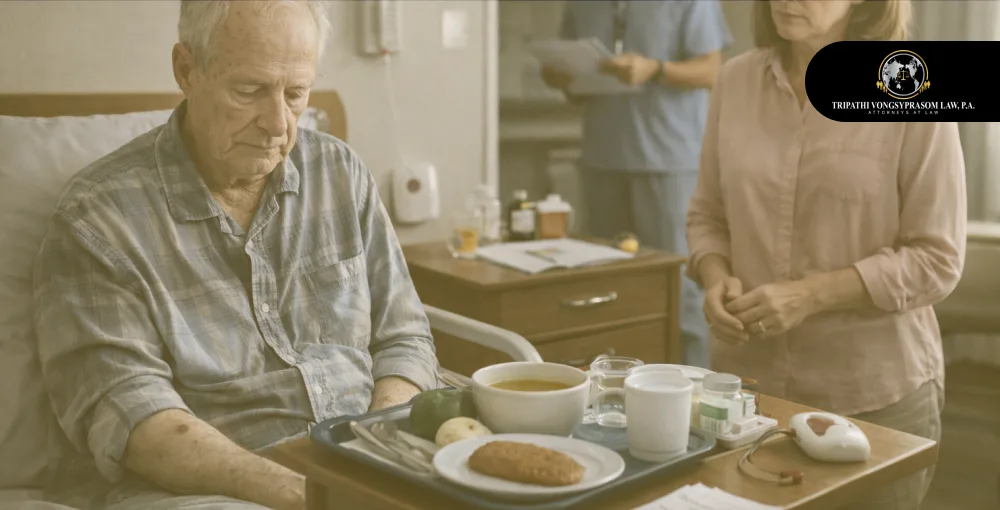
Watch for specific warning signs during your visits. These indicators are categorized into 3 types. Document every change you see or feel. This documentation becomes essential evidence for any legal action.
(i) Physical and Medical Warning Signs You Can See
Look for clear physical changes in your loved one.
Unexplained injuries like bruises, burns, or fractures.
Pressure ulcers, or bedsores, especially beyond Stage 1.
Significant weight loss or signs of chronic dehydration.
Consistently poor personal hygiene and unkempt appearance.
Frequent infections or missed medication doses.
These conditions often result from inadequate staff attention. Malnutrition and dehydration are clear markers of neglect. Persistent bedsores show a lack of basic mobility assistance.
(ii) Emotional and Behavioral Changes You Can Feel
Pay close attention to shifts in mood and demeanor.
Unusual withdrawal, depression, or non-communication.
Sudden anxiety or fearfulness around certain staff members.
Emotional outbursts or infantile behavior.
Reports of verbal threats or feeling ignored.
These changes are legitimate signs of psychological harm. A previously social parent becoming withdrawn is a major red flag. Your loved one’s emotional state reflects their quality of care.
(iii) Environmental and Care Deficiencies in the Facility
Observe the living conditions and daily operations.
Persistent uncleanliness in rooms or common areas.
Unsafe conditions like wet floors or poor lighting.
Lack of social activities or engagement for residents.
Frequent resident falls or reports of wandering.
The facility environment directly impacts resident safety and dignity. Unsanitary conditions violate basic health standards. A lack of activities can indicate understaffing and neglect.
3) Could Understaffing Be the Root Cause of Neglect in Nursing Homes?
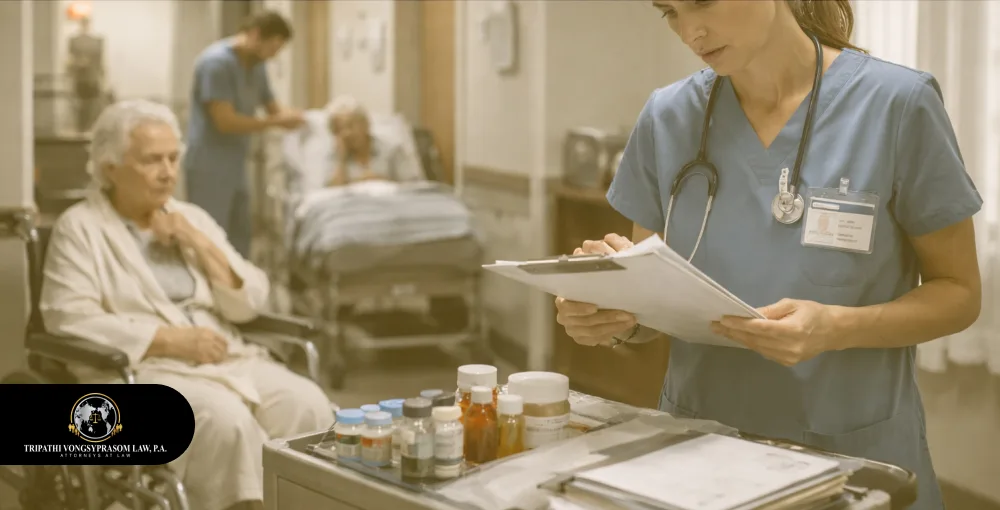
Understaffing is a leading cause of nursing home neglect across the state of Florida. According to law, it requires a minimum of 3.6 hours of direct care per resident per day. This law ensures that every resident receives the attention they need for their basic health.
ℹ️ Did You Know
“Over 90% of U.S. nursing homes are currently operating with staffing levels too low to provide adequate care, directly increasing the risk of bedsores and infections." — American Association for Justice
Many facilities cut staffing levels to increase their corporate profits at the expense of safety. This lack of staff leads to missed medications and a total breakdown in resident supervision.
Legal Nuances for Immigrant Families
Immigrant families often face unique risks because facilities might assume they will not report issues. Language barriers can lead to a gap in communication between the resident and the caregivers.
A staff member might ignore a resident because they find it difficult to understand their specific requests. We understand these humanitarian challenges and fight to ensure that every family receives equal protection.
Moreover, the Florida Agency for Health Care Administration, or AHCA, sets staffing rules. Facilities must meet minimum staff-to-resident ratios. Many fail this basic requirement. This corporate negligence prioritizes profit over patient safety.
We also guide families navigating complex immigration statuses. You may worry about unintended consequences for visa applications or status adjustments. Our dual expertise in personal injury and immigration law allows for strategic counsel.
4) What To Do If You Suspect Abuse In A Nursing Home
Follow these steps if you observe any warning signs. Immediate and careful action protects your loved one and your legal rights.
1. Document Thoroughly
Start a detailed log with dates and times. Take date-stamped photos of any injuries or poor conditions. Record your loved one’s statements and your observations.
2. Address the Facility in Writing
Formally express your concerns to the facility administrator. Send a dated letter or email to create a paper trail. Note their response or lack of response.
3. File an Official Report with Florida’s AHCA
You must report suspected neglect to the state authority. File a formal complaint with the Florida Agency for Health Care Administration. Use the AHCA online complaint portal or call their hotline.
4. Seek an Independent Medical Examination
Schedule a visit with your family’s trusted physician. An independent doctor can assess and document the harm. Their medical opinion establishes a direct link between the neglect and injuries.
5. Consult a Florida Nursing Home Neglect Attorney
Speak with us before discussing the case with others. Do not provide statements to facility insurers without counsel.
5) Trip Vien Law Protect Those Who Once Protected You
Your alertness is your loved one’s first line of defense. Recognizing these signs is an act of love and protection. Florida law provides ways for accountability and justice. Trip Vien Law helps families navigate this difficult path with clarity. We combine thorough personal injury litigation with compassionate counsel. Our approach considers your immigrant family’s entire legal situation. Trust your instincts and take the first step to contact us today for a confidential consultation about your situation.
Frequently Asked Questions
My parents have dementia and can't recall events. Can we still have a case?
Yes, cases rely on medical records, photos, and facility documents, not just memory.
How long do I have to file a neglect lawsuit in Florida?
You generally have two years from the date of the incident to file a nursing home claim.
We're afraid of retaliation against our loved one if we report. What can we do?
Florida law prohibits retaliation, and filing an AHCA report provides official oversight.
Can we still take action if our family member has passed away?
Yes, the estate may pursue a wrongful death claim if neglect was a contributing factor.
What if the facility asks us to sign something or enter arbitration?
Always have an attorney review any facility document before you sign it.
How is Trip Vien's approach different for immigrant families?
We uniquely integrate immigration status awareness into our personal injury strategy for holistic protection.
Can I report a nursing home in Florida if I want to remain anonymous?
The Florida Abuse Hotline allows you to submit reports anonymously to protect your privacy and your family.
What is the Resident Bill of Rights for Florida nursing home patients?
This law guarantees every resident the right to be free from neglect and treated with full dignity.
Disclaimer: This article is for general informational purposes and does not form an attorney-client relationship. For help with any immigration issue, reach out to Trip Vien Law.
